
Sourcing Shilajit in bulk is not always straightforward. Many businesses face difficulty separating genuine material from low-grade or poorly processed resin. This issue is more common for buyers entering the market for the first time.
This article is intended for wholesalers, distributors, retailers, and supplement manufacturers seeking a practical understanding of B2B Shilajit sourcing. It outlines how suppliers operate, how sourcing platforms differ, and which factors should be reviewed before confirming bulk purchases.
As demand continues to grow, careful sourcing decisions play a direct role in maintaining consistent supply and long-term business stability.
Why Shilajit Sourcing Matters for B2B Buyers
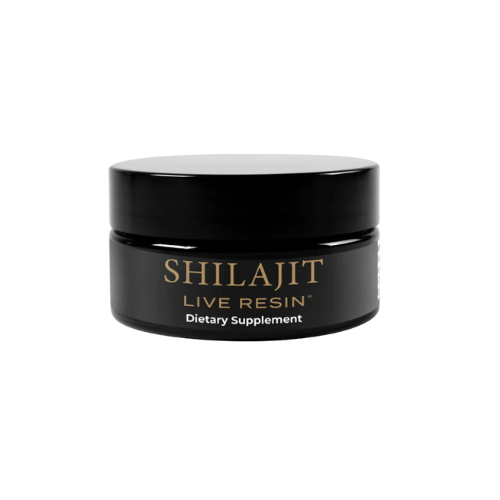
Shilajit is a mineral-rich resin collected from mountain regions, mainly the Himalayas. Its composition depends on location, collection methods, and purification steps.
For B2B buyers, sourcing errors affect entire batches rather than individual units. This can lead to stock issues, customer complaints, or regulatory concerns. Working with a Shilajit B2B supplier that follows controlled processes helps reduce these risks.
Bulk sourcing decisions influence supply continuity, product acceptance, and business credibility.
How the Shilajit B2B Market Actually Works
Many online articles explain Shilajit from a consumer perspective. B2B sourcing operates differently and requires a more structured approach.
Points often overlooked include:
- Some sellers are resellers, not manufacturers
- Quality control varies between suppliers
- Bulk material may differ from retail-grade samples
- Documentation is not always standard
A Shilajit manufacturer B2B typically manages sourcing, purification, storage, and bulk handling internally. This reduces variability between batches.
What to Check Before Choosing a Shilajit Wholesale Supplier
Before placing a bulk order, buyers should review supplier operations rather than relying on product descriptions alone.
Key checks include:
- Purity testing: Independent lab results and batch reports
- Processing standards: GMP or food-grade facilities
- Source details: Clear information about Himalayan origin
- Volume capacity: Ability to meet repeat bulk orders
- Records: COAs and export documentation
A Shilajit resin supplier should share this information when requested.
B2B Platforms Used for Sourcing Shilajit
Different platforms serve different buyer requirements. Understanding platform types helps narrow supplier options.
Global B2B Marketplaces for Bulk Shilajit Suppliers
International B2B marketplaces list multiple suppliers offering bulk Shilajit. Buyers can compare pricing, minimum order quantities, and shipping terms.
These platforms are commonly used during early-stage supplier research.
Common uses include:
- Comparing supplier profiles
- Reviewing buyer feedback
- Identifying export-ready vendors
Additional verification is still required before finalizing orders.
Supplement-Focused Platforms for Shilajit Wholesale
Some B2B platforms focus on herbal and supplement products. Suppliers on these platforms usually work with health brands and private-label buyers.
They often provide clearer information about processing and testing, which is useful for businesses seeking Organic Shilajit wholesale or purified resin.
These platforms are suitable for buyers with strict quality expectations.
Direct Sourcing from Himalayan Shilajit Manufacturers
Direct sourcing involves working with suppliers located near collection regions. This approach reduces intermediaries and allows clearer communication about material handling.
Himalayan Shilajit B2B suppliers operating at source often handle purification and bulk packaging themselves.
This option suits buyers planning long-term sourcing arrangements.
Why Businesses Buy Shilajit in Bulk
Bulk sourcing supports predictable supply planning and consistent product availability.
Main reasons businesses choose bulk purchasing include:
- Lower per-unit cost
- Steady inventory flow
- Packaging and labeling flexibility
- Easier volume scaling
A reliable Shilajit wholesale supplier becomes part of the supply chain rather than a one-time vendor.
Common Errors Made by New B2B Buyers
New buyers often repeat mistakes that can be avoided with basic checks.
Frequent issues include:
- Selecting suppliers based only on price
- Not testing samples before bulk orders
- Assuming all Himalayan Shilajit is the same
- Overlooking batch-to-batch variation
Clear evaluation steps help reduce these risks.
Myths and Facts About Shilajit Sourcing
| Myth | Fact |
| All Shilajit is similar | Quality depends on source and processing |
| Dark color shows purity | Appearance alone is not a reliable indicator |
| All sellers are manufacturers | Many are traders without processing control |
| Cheap bulk is acceptable | Low pricing often reflects low-grade material |
Working Long-Term With Shilajit Suppliers
Stable sourcing relies on ongoing communication rather than single transactions.
Good practices include:
- Regular batch testing
- Clear order specifications
- Consistent order schedules
- Open discussion on supply changes
Shilajit manufacturer B2B relationships tend to become more stable over time with repeat orders.
Final Notes on Choosing a Shilajit B2B Supplier
Sourcing Shilajit in bulk requires planning and verification. The right Shilajit B2B supplier should maintain clear sourcing records, consistent processing methods, and dependable volume handling.
Businesses sourcing Organic Shilajit wholesale or resin for supplements benefit from structured supplier selection rather than short-term pricing decisions.
Ans: Wholesalers, distributors, retailers, and supplement manufacturers sourcing bulk quantities.
Ans: By reviewing lab reports, COAs, and testing samples.
Ans: Yes, some suppliers offer certified organic material with documentation.
Ans: Manufacturers manage processing and quality control; traders resell sourced material.
Ans: Yes, sample testing helps confirm consistency and suitability.
Ans: It can improve traceability and communication when managed correctly.