

Sugar beet pulp has been part of livestock feeding systems for decades, yet it is still misunderstood by many new buyers and farm operators.
Some see it as a simple by-product, others treat it as a forage replacement, while a few avoid it altogether due to confusion around sugar content.
In reality, sugar beet pulp sits in a unique position between forage and concentrates.
This article takes a purely informative approach, written for feed buyers, nutrition students, farm managers, and first-time bulk purchasers who want clarity without sales language.
What Sugar Beet Pulp Is and How It Is Produced
Sugar beet pulp comes from sugar beet processing plants.
Once sugar is extracted from the beet through diffusion, the remaining fibrous material is dried and processed for animal feed use.
This process removes most of the sucrose, leaving behind a fibrous structure rich in pectins.
These pectins behave differently in digestion compared to cellulose-heavy forages like straw or hay.
The final product is stable, easy to store, and suitable for long-distance transport.
Nutritional Profile in Simple Terms
Sugar beet pulp is not valued for protein or fat.
Its strength lies in digestible fiber and fermentable carbohydrates.
Key nutritional characteristics:
- Moderate energy value
- Low starch content
- High pectin fiber
- Low crude protein
- Minimal residual sugar in unmolassed forms
This profile makes it useful in balanced rations where digestive stability matters more than rapid weight gain.
Why Digestible Fiber Matters in Livestock Diets
Fiber is not just bulk; it controls how nutrients move through the digestive system.
Sugar beet pulp contains soluble fibers that ferment steadily rather than rapidly.
In ruminants, this fermentation:
- Supports rumen microbial activity
- Maintains stable pH levels
- Improves utilization of other feed components
This steady fermentation is why beet pulp is often included during high-stress production phases such as early lactation.
Use in Different Livestock Systems
Cattle and Dairy Operations
In cattle diets, sugar beet pulp acts as a buffer between forage and concentrates.
It contributes energy without the acid load associated with high-grain feeding.
Many dairy programs include it to support:
- Consistent milk output
- Body condition maintenance
- Rumen health during ration changes
Sheep and Goat Feeding
Small ruminants benefit from beet pulp when pasture quality drops.
It complements rough forage by improving digestibility without increasing metabolic stress.
Its palatability also helps maintain intake during dry seasons.
Horse Diets
In equine feeding, sugar beet pulp is commonly soaked and fed as a forage alternative.
It is particularly useful for:
- Senior horses
- Performance horses
- Animals sensitive to high-grain diets
Forms Available in the Feed Market
Sugar beet pulp is processed into different physical forms to suit handling and feeding practices.
Common market forms include:
- Pellets for commercial feed mills
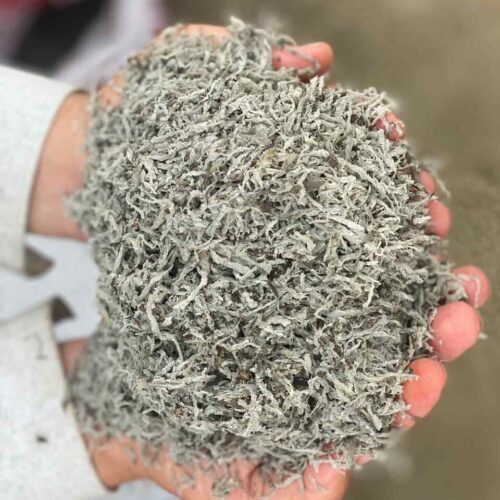
- Shreds for direct feeding
- Molassed variants for improved taste
- Unmolassed variants for controlled diets
Pellets are favored in bulk handling due to reduced dust, uniform flow, and lower transport volume.
Understanding Molassed vs Unmolassed Beet Pulp
Molassed sugar beet pulp contains added molasses after drying.
This increases energy density and taste appeal.
Unmolassed sugar beet pulp:
- Contains lower sugar levels
- Is preferred for regulated feeding programs
- Allows better ration formulation accuracy
Neither option is universally better; suitability depends on feeding goals and animal sensitivity.
Common Misconceptions in the Market
“Sugar Beet Pulp Is High in Sugar”
Most of the sugar is removed during processing.
Unmolassed beet pulp contains only trace sugar levels.
“It Can Replace Forage Completely”
Beet pulp lacks the long fiber needed for chewing activity.
It supports forage but does not fully replace it.
“It’s Only Used in Horse Feed”
Globally, the largest consumption volumes are in cattle and dairy sectors.
Quality Factors That Influence Feeding Results
Not all sugar beet pulp performs the same.
Variations in processing and storage affect consistency.
Quality indicators include:
- Uniform color and texture
- Absence of sour or fermented odor
- Low moisture content
- Consistent pellet hardness
Feed buyers often rely on laboratory analysis to confirm fiber and moisture levels.
Storage and Handling Considerations
Sugar beet pulp is hygroscopic, meaning it absorbs moisture easily.
Proper storage is essential to prevent spoilage.
Basic storage practices:
- Keep in dry, ventilated areas
- Avoid direct floor contact
- Protect from rain and humidity
- Rotate stock to prevent long holding times
These steps preserve feed value and reduce losses.
Why Sugar Beet Pulp Remains Relevant
Despite new feed technologies, sugar beet pulp remains widely used because it works quietly and predictably.
It supports digestive health, complements various ration types, and fits both intensive and extensive systems.
Its continued use across regions reflects practical feeding experience rather than trends.
Final Note
Sugar beet pulp holds its place in livestock feeding because of how calmly it fits into the animal’s digestive process.
Its value becomes visible over time through steady intake, balanced fermentation, and smoother feed utilization rather than immediate or dramatic changes.
When used with proper understanding, it quietly supports ration structure and digestive comfort.
This subtle reliability is what keeps sugar beet pulp relevant across different feeding systems and regions.
FAQs
Ans: Yes, when included at appropriate levels within a balanced ration.
Ans: Soaking is mainly practiced in horse feeding. In mixed livestock rations, it is usually fed dry.
Ans: It is commonly preferred where sugar intake needs tighter control.
Ans: When kept dry and protected from moisture, it stores well for extended periods.
Ans: Yes, but inclusion rates should be adjusted based on age and digestive development.