

Himalayan pink salt has been a popular choice for both culinary and therapeutic purposes. Whether you’re a wholesaler, retailer, or someone looking to buy in bulk, it’s important to understand the differences between light and dark pink salt so you can make the right choice. This guide will break down the benefits, uses, and characteristics of both types of salt, helping you make a more informed decision for your wholesale business or personal needs.
Salt Bliss, a leading supplier of Himalayan pink salt, offers both light and dark pink salt options, ensuring you have access to high-quality products. Let’s explore the details of each variety and how they differ.
H2: Key Differences Between Light and Dark Pink Salt
1. Mineral Content and Composition
Both light and dark pink salts come from the Himalayan mountains and share many of the same beneficial minerals, but their composition differs slightly.
- Light Pink Salt tends to have a more delicate color and a lower concentration of trace minerals. It typically has higher sodium content and contains essential minerals like magnesium, calcium, and potassium, though in lower quantities than dark pink salt.
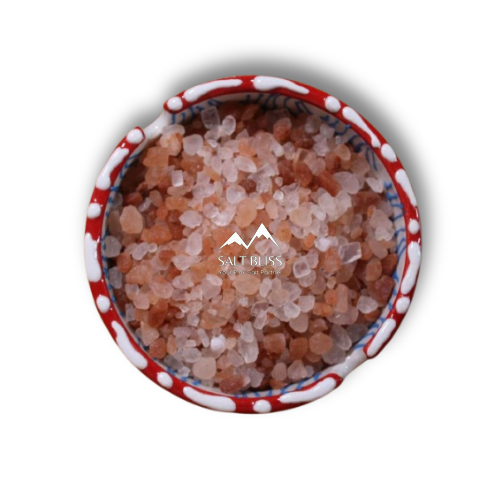
- Dark Pink Salt, on the other hand, contains higher levels of trace minerals, such as iron, which give it its richer, darker color. This variety is often considered to have a more robust mineral profile, making it ideal for people looking to incorporate a wider range of minerals into their diet.
2. Flavor and Usage
Flavor is one of the most distinguishing factors between light and dark pink salt.
- Light Pink Salt has a milder flavor, making it versatile for everyday cooking and use as a table salt. It’s commonly used in dishes where a subtle saltiness is desired without overpowering the other flavors.
- Dark Pink Salt with its stronger flavor profile, is often used as a finishing salt for gourmet dishes. The bold, earthy taste of dark pink salt pairs well with hearty dishes like meats and salads, where its flavor can stand out.
3. Health Benefits and Nutrients
While both light and dark pink salts offer health benefits, the nutritional differences are worth noting:
- Light Pink Salt is a good option for those looking to maintain hydration, support healthy digestion, and balance electrolytes. Its lower trace-mineral content makes it less mineral-dense than dark pink salt.
- Dark Pink Salt is rich in iron, which can help support healthy blood circulation and prevent anemia. It also contains higher amounts of calcium and magnesium, making it a better choice for people looking to boost their mineral intake.
Understanding Common Myths About Pink Salt
When purchasing pink salt, several myths and misconceptions may influence your decision-making. Let’s clear up some of these myths:
Myth 1: Dark Pink Salt is Always Healthier
Fact: While dark pink salt does contain more iron and other minerals, both light and dark varieties provide similar health benefits. The choice between the two should depend more on taste preferences and intended use.
Myth 2: All Himalayan Pink Salt is the Same
Fact: Not all Himalayan salt is created equal. The quality of salt can vary based on factors like mining practices, trace mineral content, and processing methods. It’s important to buy from a reputable supplier like Salt Bliss that provides high-quality, pure, and sustainably sourced pink salt.
Myth 3: You Can’t Use Dark Pink Salt for Regular Cooking
Fact: While dark pink salt is often used as a finishing salt, it can also be used in regular cooking. The bold flavor may not be for every dish, but it can enhance the taste of meats, roasted vegetables, and even salads.
Key Factors to Consider When Buying Pink Salt Wholesale
When buying pink salt in bulk, there are several factors to keep in mind to ensure you’re getting the best product. Here are some essential considerations:
- Source and Quality Assurance: Ensure the salt is sourced from the Himalayan mountains and is free from contaminants. A reputable supplier like Salt Bliss will provide certificates of authenticity and ensure the salt is unrefined, free from additives, and ethically harvested.
- Packaging: For bulk purchases, consider how the salt is packaged. Eco-friendly, sustainable packaging is becoming increasingly popular. Make sure the salt is packaged in a way that preserves its quality and prevents contamination.
- Price: While pink salt can be more expensive than regular table salt, the quality and health benefits make it worth the investment. However, buying wholesale allows you to take advantage of lower per-unit prices, especially when purchasing larger quantities.
- Variety of Salt Types: Many suppliers offer a range of salt types. When considering a purchase, look at the variety available—whether it’s fine or coarse grind, light or dark pink salt, or even salt blocks and crystals for decorative purposes.
Comparison of Light vs Dark Pink Salt
| Feature | Light Pink Salt | Dark Pink Salt |
| Color | Light pink, soft hue | Deep reddish-brown, earthier |
| Mineral Content | Lower in trace minerals | Higher in iron, magnesium, and calcium |
| Flavor | Milder, more delicate | Stronger, bolder flavor |
| Uses | Everyday cooking, table salt | Finishing dishes, gourmet applications |
| Health Benefits | Hydration, digestion support | Rich in iron, it promotes blood health |
| Ideal for | Baking, seasoning, and general use | Meats, salads, salt blocks |
Common Mistakes Buyers Make When Purchasing Pink Salt Wholesale
For first-time buyers, it’s easy to make mistakes when choosing wholesale salt. Avoid these common pitfalls:
- Not Considering the Grind Size
Different applications call for different grind sizes. Make sure to specify whether you need fine, medium, or coarse pink salt based on your intended use.
- Overlooking Packaging Standards
Buying salt in bulk means it needs to be properly stored. Ensure the packaging is secure and designed to preserve the salt’s freshness. Bulk salt should be packaged in moisture-resistant containers to maintain quality.
- Not Asking About Mineral Content
When choosing between light and dark pink salt, ask suppliers about the specific mineral content of the salt you are purchasing. Not all pink salt is the same, and the mineral profile can affect its flavor and health benefits.
- Focusing Only on Price
While it’s tempting to buy the cheapest option, the quality of the salt is crucial. Investing in high-quality pink salt, like that offered by Salt Bliss, will ensure that your customers or business is getting the best product available.
Conclusion
When choosing between light and dark pink salt wholesale, it’s important to understand the key differences in mineral content, flavor, and health benefits. Salt Bliss offers both options, ensuring that you can find the perfect pink salt for your needs. Whether you’re looking for a milder, more versatile salt or a mineral-rich variety for gourmet cooking, making the right choice will elevate your offerings and satisfy your customers.
Ready to place your wholesale order? Contact Salt Bliss today to explore our selection of Himalayan pink salts and find the best fit for your business or personal needs.
FAQs
Ans: The main difference is in the mineral content. Dark pink salt contains more minerals, including iron, making it richer in flavor and color compared to light pink salt.
Ans: Yes, you can. Dark pink salt has a bolder flavor, so it’s great for finishing dishes like grilled meats or salads, but it can also be used in regular cooking.
Ans: Not necessarily. Both types of salt provide similar health benefits, including hydration and electrolyte balance. Dark pink salt has more minerals, but both are considered healthy alternatives to regular table salt.
Ans: The higher mineral content and the more labor-intensive process of extracting dark pink salt can make it more expensive than light pink salt. However, both types provide significant health benefits and flavor.
Ans: Yes, both light and dark pink salt can be used in bath soaks for their relaxation and mineral benefits. The dark pink salt is often preferred for its richer mineral content.
Ans: Pink salt should be stored in a cool, dry place in an airtight container to prevent moisture from affecting its quality.
Ans: It depends on your preference. Light pink salt is perfect for general cooking, while dark pink salt is ideal for dishes that benefit from a bolder, more intense flavor.