

Importing Himalayan salt lamps in bulk can be profitable, but it comes with challenges that many new buyers overlook. From verifying authenticity to handling fragile shipments, mistakes can be costly.
This guide is for wholesalers, distributors, and retailers, including newcomers, who want to import designer salt lamps safely and efficiently. By following the advice here, including sourcing tips from Salt Bliss, you can make informed decisions and avoid common pitfalls.
Why Bulk Salt Lamp Imports Can Be Tricky
Many buyers assume importing salt lamps is simple, but there are important factors to consider:
- Authenticity: Not all lamps labeled as “Himalayan” are genuine.
- Safety: Low-quality crystals or improper wiring can be hazardous.
- Cost: Shipping, customs, and insurance can affect profits.
- Market: Understanding what customers want is critical for success.
A careful approach prevents unnecessary losses and ensures a reliable product for your customers.
Common Misconceptions About Himalayan Salt Lamps
Myth 1: All Himalayan lamps are safe
Only lamps that have been tested to CE or UL standards and have proper wiring are safe for resale.
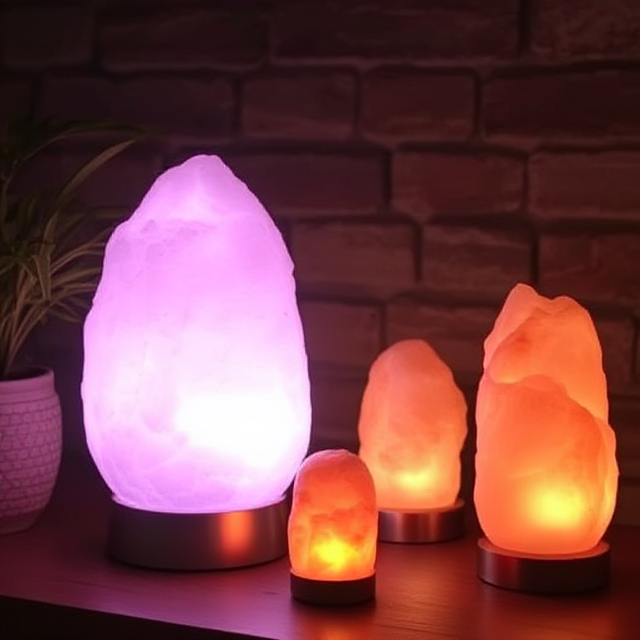
Myth 2: Color differences indicate defects
Natural pink, orange, or reddish tones are normal; only large cracks or unstable bases signal poor quality.
Myth 3: Packaging is optional
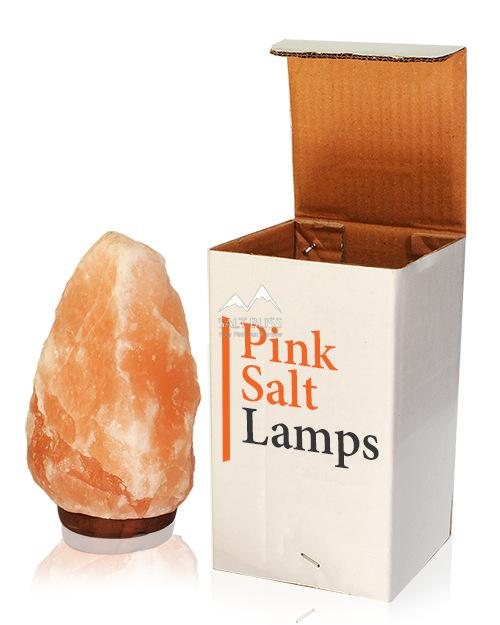
Crystals are fragile, and improper packaging increases breakage, returns, and loss.
H2: Step-by-Step Bulk Import Process
1. Confirm Authenticity
- Request supplier certifications (ISO, SGS, or Himalayan Salt Association membership).
- Verify origin documentation; true Himalayan salt comes from Khewra or the Himalayan regions.
2. Check Product Quality
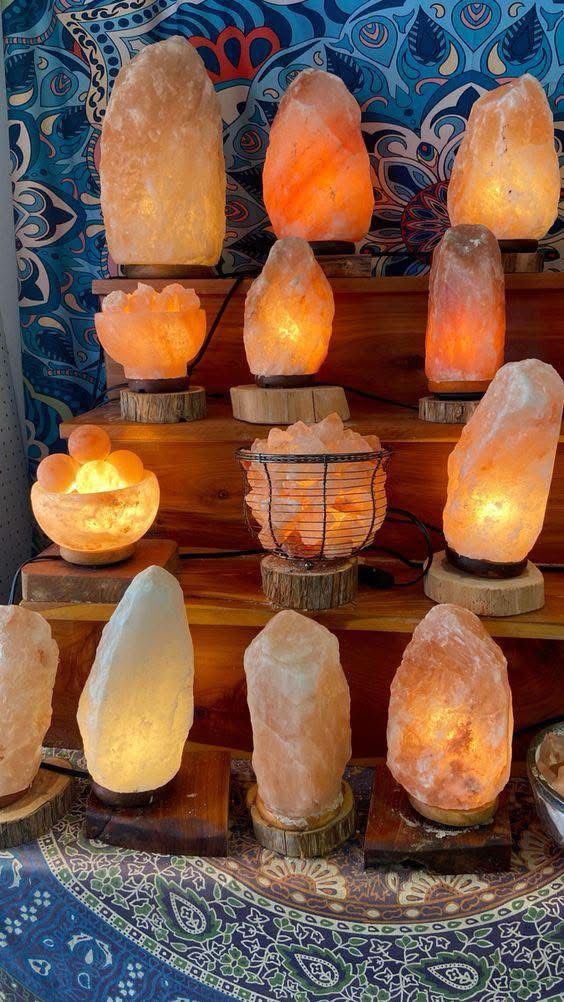
- Inspect crystal density, shape, and color.
- Ensure that bulbs and wiring are UL/CE-approved.
- Confirm the lamp base is stable to prevent accidents.
3. Handle Shipping and Customs
- Calculate shipping costs by weight; salt lamps are heavy.
- Know local import taxes and customs regulations.
- Ask for professional bulk packaging, such as cartons, foam inserts, or pallets.
4. Assess Pricing and Demand
- Research local customer trends: wellness, decor, or gift markets.
- Consider packaging options or bundles to increase sales.
5. Safety and Compliance
- Check electrical safety standards.
- Maintain a quality inspection log for every batch received.
Common Mistakes New Buyers Make
- Ordering lamps without checking safety certifications.
- Prioritizing appearance over durability.
- Ignoring shipping or insurance costs.
- Overestimating demand or underestimating breakage.
- Not reviewing supplier references or samples.
Tips From Salt Bliss for Bulk Buyers
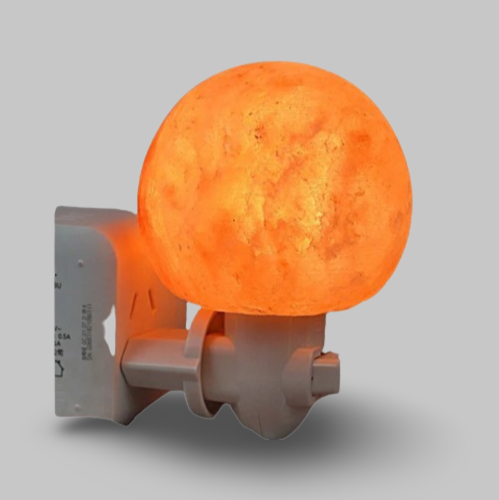
- Start with sample orders: Inspect weight, color, and wiring before large orders.
- Check supplier reliability: Ask for references and prior export experience.
- Maintain storage precautions: Keep lamps in dry, stable environments.
- Label carefully: Include weight and fragility indicators for shipping and handling.
- Balance cost and quality: Avoid lamps that appear cheap but may fail quality checks.
Conclusion and Next Step
Importing Himalayan salt lamps in bulk requires planning, attention to quality, and knowledge of logistics. Working with trusted suppliers like Salt Bliss ensures your orders meet safety and authenticity standards while reducing losses.
For retailers and distributors ready to stock high-quality designer lamps, contact Salt Bliss to verify suppliers, review samples, and arrange bulk shipments. Taking these steps protects your business and ensures customers receive lamps that meet expectations.
FAQs
Ans: Check supplier documentation and certifications. Only salts from Khewra or the Himalayan regions are genuine.
Ans: CE, UL, or ISO testing ensures electrical safety and compliance for commercial sales.
Ans: Use padded cartons, foam inserts, or pallets. Proper packaging reduces breakage and loss.
Ans: Yes. Natural shades of pink, orange, or red are typical and desirable.
Ans: Most suppliers require 300–500 units per order; negotiate terms when possible.
Ans: Include product cost, shipping, customs duties, and insurance. Factor in losses from breakage.
Ans: Yes. Always confirm that wiring is CE or UL-approved to prevent fire hazards.