
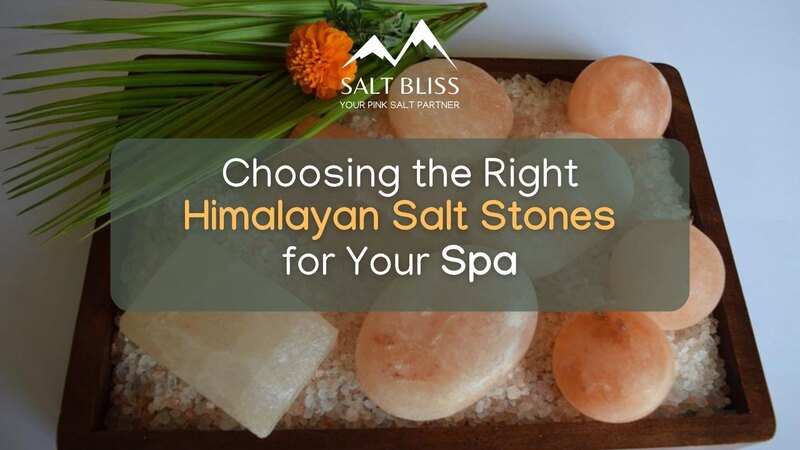
Buying Himalayan salt stones for a spa is not as simple as it looks. Many buyers think all stones are the same, but that is where problems begin. Some stones crack quickly, some lose their shape, and others do not perform well during treatments.
For spa owners and bulk buyers, this choice directly affects client satisfaction, service consistency, and long-term cost. A poor selection means frequent replacements and inconsistent treatments, which can quietly damage your business.
This blog is written for spa owners, wholesalers, distributors, and new buyers who want clarity before placing an order. Rather than making general claims, this guide focuses on what actually matters when selecting salt stones.
What Most Buyers Overlook
Most online content talks about the benefits of salt stone massage, but very little is said about buying decisions. This is where buyers often make mistakes.
In reality, the selection process should focus on:
- Source of the salt
- Stone strength under heat
- Shape consistency
- Long-term usability
Ignoring these factors leads to issues after purchase, not before.
1. Source and Authenticity of Salt
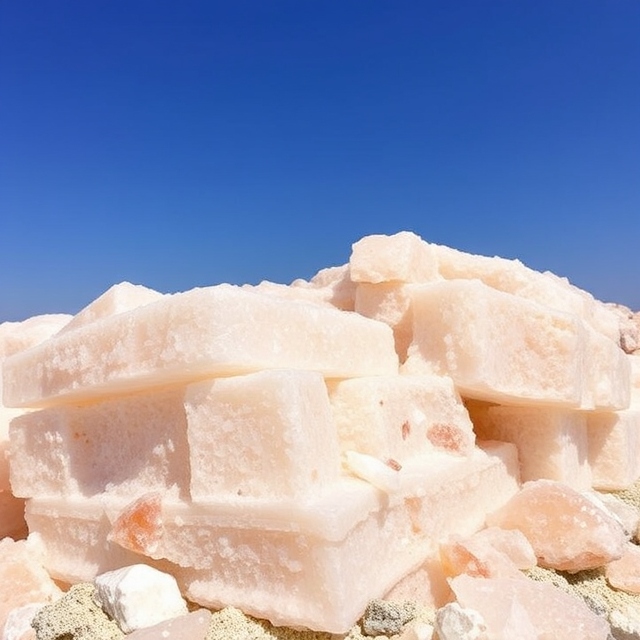
Not every stone labeled “Himalayan” comes from the same place. Authentic Himalayan salt is mined in the Khewra region of Pakistan, and this origin plays a major role in its quality.
Natural stones usually have soft pink, orange, or light tones. Extremely bright or uniform colors may indicate processing or artificial treatment.
Buyers should always ask suppliers about the origin. A clear answer shows transparency. This is especially important for bulk buyers, where consistency matters across large orders.
2. Durability and Heat Behavior
Salt stones are used with heat, so durability is not optional—it is necessary.
A good stone should:
- Heat evenly
- Hold warmth for a reasonable time
- Stay intact after repeated use
If stones develop cracks early, they become unusable. This leads to repeat purchases, which increase costs over time.
Testing a small batch before placing a large order is a practical step many buyers skip.
3. Shape and Size Consistency
In a spa setting, uniformity matters more than many buyers expect. When stones are inconsistent in size or shape, therapists need extra time to adjust during treatments.
This affects both workflow and client comfort.
For spa use, stones should be:
- Smooth and evenly shaped
- Comfortable to hold
- Similar in size within a set
For bulk buyers, consistency across batches is equally important. If every shipment varies, it becomes difficult to maintain service standards.
4. Surface Finish and Skin Contact
Salt stones are used directly on the skin, so surface quality cannot be ignored.
Well-finished stones feel smooth and have no sharp edges. Rough surfaces can cause discomfort and reduce the quality of the treatment.
Buyers should check:
- Polishing quality
- Absence of rough patches
- Overall finishing
This is not something to assume—it should be verified.
5. Bulk Buying Considerations
For B2B buyers, product quality alone is not enough. Supply reliability also matters.
Before placing a bulk order, check:
- Minimum order quantity (MOQ)
- Packaging method to prevent damage
- Delivery timelines
- Consistency in repeat orders
Many buyers focus only on price and ignore these points. This often leads to delays, damaged stock, or uneven product quality.
Working with a supplier like Salt Bliss, which understands spa and bulk requirements, reduces these risks.
Comparison: Salt Stones vs Regular Massage Stones
| Feature | Himalayan Salt Stones | Basalt Stones |
| Material | Natural salt | Volcanic rock |
| Heat behavior | Moderate retention | High retention |
| Skin interaction | Mineral contact | Neutral |
| Weight | Lighter | Heavier |
| Usage feel | Different texture | Standard texture |
Salt stones are often chosen when spas want to offer a different type of treatment rather than a traditional one.
Common Mistakes Buyers Make
Many issues come from simple buying mistakes.
- Choosing based only on low price
- Not checking source details
- Ignoring shape consistency
- Skipping sample testing
- Not evaluating supplier reliability
These mistakes may seem small at the start, but they create problems later in daily use.
Myths vs Facts
There are a few common misunderstandings in the market.
Myth: All Himalayan salt stones are the same
Fact: Quality varies depending on source and processing
Myth: Brighter color means better stone
Fact: Natural variation is normal; overly bright stones may be treated
Myth: Salt stones do not last long
Fact: With proper care, they can be used for months
Practical Buying Advice
Before placing an order, especially in bulk, take a practical approach.
Start with a small quantity and observe how the stones perform during actual use. Check how they handle heat, how they feel during treatment, and whether they maintain their structure.
Also, communicate clearly with your supplier. Ask about sourcing, processing, and packaging. A supplier who answers clearly is easier to work with in the long run.
Why This Choice Matters for Your Business
The type of stones you use affects more than just the treatment. It influences how clients perceive your service and how smoothly your team works.
Consistent, well-made stones allow therapists to focus on treatment rather than adjusting tools. This leads to a better overall service flow.
For distributors and wholesalers, consistent product quality also builds stronger relationships with clients.
Final Thoughts
Choosing Himalayan salt stones is not about picking any available option. It requires attention to sourcing, durability, and consistency.
Taking time to evaluate these factors can prevent future issues and keep your operations smooth.
Call to Action
If you are planning to source Himalayan salt stones for spa use or bulk supply, it is worth working with a supplier that understands these requirements.
Salt Bliss works with buyers who want consistency in shape, proper finishing, and a steady supply for spa and business use.
You can explore available options or request details based on your requirement before placing your next order.
FAQs
Ask the supplier about the source. Stones from the Khewra region in Pakistan are considered authentic.
With proper handling and storage, they can last for several months in regular spa use.
They are commonly used in relaxation and warm therapy treatments.
Medium-sized stones with a smooth finish are generally preferred.
They should be wiped clean and kept dry. Avoid soaking them in water.
Yes, for spas and distributors, bulk purchasing reduces cost per unit and ensures availability.