
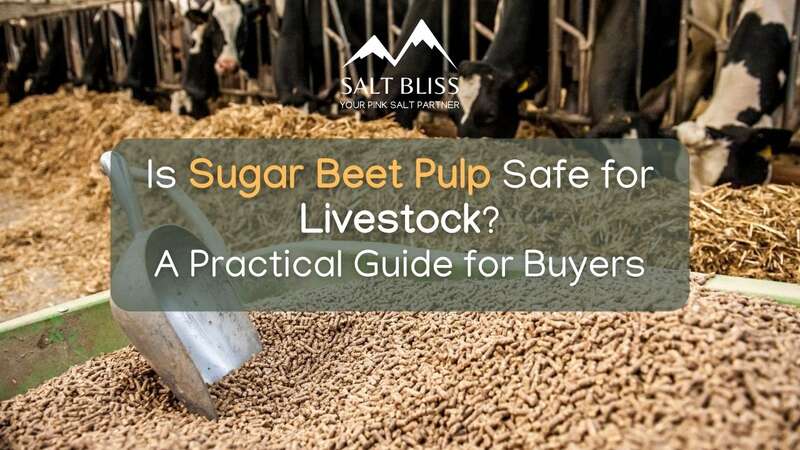
When buyers first look into sugar beet pulp, the same concern comes up again and again:
Is it actually safe for livestock, especially when used at scale?
This question matters more for bulk buyers. A wrong decision doesn’t just affect one animal — it affects entire herds, feeding costs, and long-term results.
There’s also a lot of mixed information. Some sources praise it, while others raise concerns without proper explanation. That leaves new buyers unsure about what to believe.
This guide is written clearly for:
- Livestock farmers
- Feed businesses
- Importers and distributors
The goal is simple: give you a clear, practical understanding so you can make the right decision without confusion.
What Is Sugar Beet Pulp?
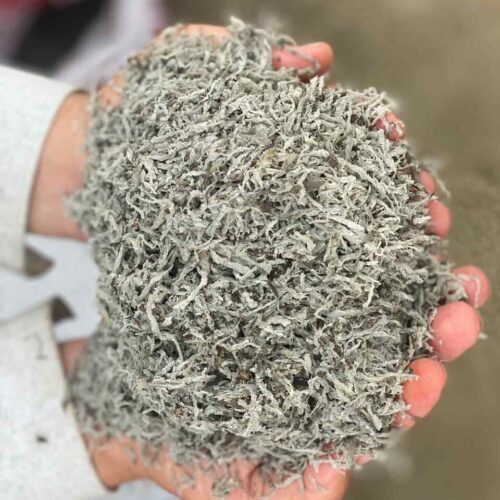
Sugar beet pulp comes from sugar beet processing. After sugar is extracted, the remaining fibrous material is dried and used as animal feed.
It is usually available in:
- Pellets
- Shreds
- Bulk loose form
It is commonly used for cattle, horses, and small ruminants because of its digestible fiber content.
Is Sugar Beet Pulp Safe for Livestock?
Simple Answer
Yes, sugar beet pulp is safe for livestock when:
- It is used in proper amounts
- It is stored correctly
- It is sourced from a consistent supplier
The safety of this feed depends more on handling and sourcing than on the product itself.
Why It Is Considered Safe
Sugar beet pulp is widely used in livestock feeding systems because it supports digestion and provides steady energy.
It works well for ruminants like cattle because their digestive systems efficiently process fiber.
- It contains digestible fiber
- It has low starch content
- It supports rumen health
- It fits well into balanced feeding programs
When Problems Can Occur
Issues are uncommon, but they can occur if basic practices are ignored.
- Feeding excessive amounts without balance
- Using low-quality or damp stock
- Poor storage conditions
- Lack of diet planning
For horses, dry pulp without soaking may cause difficulty in chewing or swallowing. For cattle, this is generally not an issue.
Nutritional Profile and What It Means for Safety
Sugar beet pulp is not a complete feed, but it plays a strong role in feeding programs.
It contains:
- High fiber content
- Moderate energy levels
- Low protein (needs supplementation)
- Low sugar after processing
Because of this structure, it is often used to support digestion and maintain energy levels without relying heavily on grains.
Suitability for Different Animals
Cattle
Sugar beet pulp is commonly used in cattle feeding.
It supports rumen function and fits well into dairy and beef feeding systems. It is often included in bulk feeding plans.
Horses
For horses, it should be soaked before feeding. This reduces the chance of choking and makes it easier to consume.
It is especially useful for older animals or those needing controlled energy intake.
Sheep and Goats
It can be included in smaller amounts as part of a balanced diet. It supports digestion but should not completely replace roughage.
Myths and Facts Buyers Should Know
There is a lot of confusion around this product, especially for new buyers.
Common Misunderstandings
- Some believe it is unsafe—in reality, it is widely used across global feed markets.
- Some think it causes digestive issues—in fact, it supports digestion when used correctly.
- Some assume it has no nutritional role—it provides fiber and usable energy.
These misunderstandings often come from incomplete information rather than real issues.
What Most Suppliers Don’t Clearly Explain
This is where many buyers encounter problems, especially when purchasing in bulk.
Quality Differences in Supply
Not all sugar beet pulp is the same. Differences can appear in:
- Moisture level
- Pellet consistency
- Cleanliness of material
Low-quality batches may develop mold or spoil during storage.
Storage Conditions Matter
Even good material can become unsafe if stored improperly.
- Exposure to moisture can damage the product
- Poor ventilation can lead to spoilage
It Is Not a Complete Feed
Sugar beet pulp should not be used alone.
It must be combined with:
- Protein sources
- Minerals
- Other feed components
Buyer Checklist Before Purchasing
For B2B buyers, checking the product before purchase is necessary.
- Check moisture content
- Look for uniform size and texture
- Make sure there is no unusual smell
- Confirm packaging type
- Verify supplier consistency
These checks help avoid quality issues after delivery.
Comparison with Other Feed Options
| Feed Type | Digestibility | Risk Level | Cost Stability |
| Sugar Beet Pulp | High | Low | Stable |
| Corn Feed | Medium | Medium | Fluctuating |
| Hay | Medium | Low | Variable |
| Alfalfa | High | Low | Higher |
Sugar beet pulp is often chosen because it provides a balance between cost and performance.
Common Mistakes New Buyers Make
Many issues are not caused by the product but by decisions made during buying or usage.
- Selecting suppliers based only on price
- Ignoring storage requirements
- Not checking product condition
- Using it without balancing the diet
Avoiding these mistakes leads to better outcomes.
Why Many Buyers Choose Sugar Beet Pulp
The demand for this feed continues to grow in livestock markets.
- It supports digestion
- It fits into different feeding systems
- It is suitable for bulk handling
- It works well in long-term feeding plans
Because of this, many importers and distributors include it in their supply chains.
Final Thoughts
Sugar beet pulp is a widely used feed ingredient. Its safety depends on correct usage, proper storage, and consistent sourcing.
For bulk buyers, the main focus should not only be the product itself but also the quality of supply and handling practices.
If you are looking for a consistent supply of sugar beet pulp for your business, Salt Bliss works with bulk buyers and distributors.
You can reach out to discuss:
- Product availability
- Packaging options
- Supply details
Contact the team for up-to-date information and plan your sourcing accordingly.
FAQs
Yes, it is commonly used and supports digestion when included in a balanced diet.
For cattle, it is not necessary. For horses, soaking is recommended.
No, it should be used alongside other roughage, not as a full replacement.
Yes, it is widely traded and used in large-scale feeding systems.
Moisture level, cleanliness, consistency, and supplier reliability.
Yes, mold or high moisture content can lead to health issues.