
Many people come across Himalayan salt plates in restaurants or online and wonder if they are actually useful or just for display. New buyers often have basic questions: can you really cook on it, will food become too salty, and how long does it last?
This article is written for home users, restaurant owners, and bulk buyers who want clear and practical information before making a decision. Instead of general statements, this guide explains how salt plates work, how to use them correctly, and what to consider before buying from a supplier like Salt Bliss.
What Is a Himalayan Salt Plate?
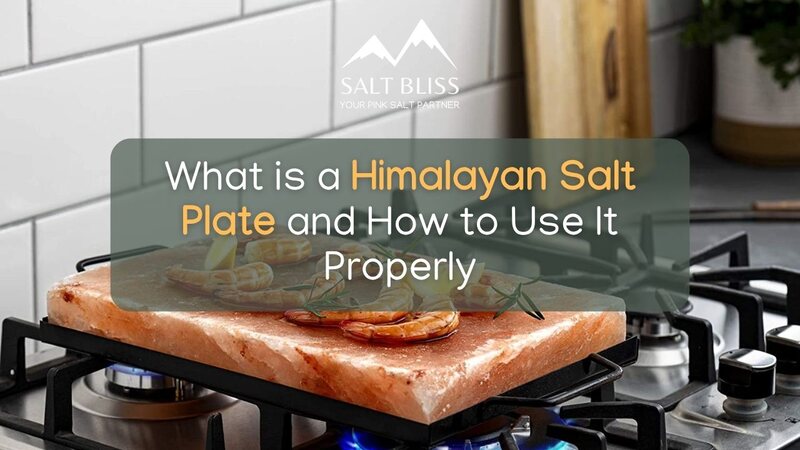
A Himalayan salt plate is a solid slab made from natural rock salt, mainly sourced from the Khewra region in Pakistan. It is cut into flat blocks that can be used for cooking, serving, or presenting food.
These plates are known for their pink color, which comes from trace minerals present in the salt. Unlike regular cookware, they are not coated or processed, which makes them different in both use and handling.
Some common characteristics include:
- Dense structure that retains heat or cold
- Slight mineral content gives a natural color
- Available in different sizes and thickness levels
- Can be used multiple times with proper care
The plate itself serves as a cooking surface, so food is placed directly on it rather than in a pan.
How Does a Salt Plate Work?
A salt plate works by maintaining a stable temperature for a longer period than regular surfaces. Once heated or chilled, it maintains that temperature evenly across its surface.
When food touches the plate, it absorbs a light amount of salt. The flavor is not strong or overpowering, but rather mild and balanced.
It can be used in three different ways:
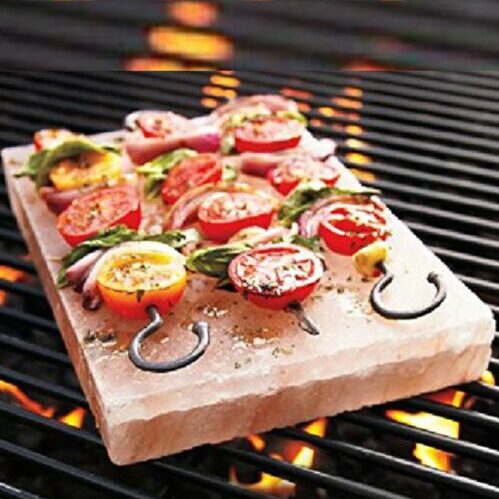
- Heating for cooking meat, vegetables, or seafood
- Chilling for serving items like fruits or desserts
- At room temperature for presentation purposes
This flexibility is one of the main reasons why both households and restaurants use it.
How to Use a Himalayan Salt Plate
Heating the Plate
Heating must always be gradual. A sudden temperature change can damage the plate.
- Start on low heat for 15–20 minutes
- Move to medium heat for another 15–20 minutes
- Increase the heat only after that
This process allows the plate to adjust without cracking.
Cooking on the Plate
Once the plate is properly heated, food can be placed directly on it.
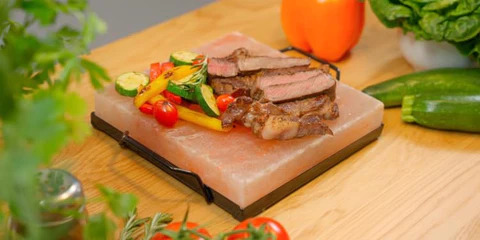
- Meat such as steak or chicken cooks well
- Seafood, like shrimp or fish, is suitable
- Vegetables can also be prepared easily
It is better to apply a small amount of oil to the food rather than to the plate. This reduces sticking and gives better results.
Using for Cold Serving
Salt plates can also be used for cold dishes.
- Place the plate in the refrigerator for 1–2 hours
- Use it for fruits, desserts, or salads
- It keeps food cool for a longer time
This method is often used in restaurants for presentation.
Cleaning and Maintenance
Cleaning should be done carefully to extend the plate’s life.
- Let the plate cool completely
- Wipe with a slightly damp cloth
- Use a soft scrub if needed
- Dry it fully before storing
Avoid soaking the plate in water, as salt can dissolve over time.
What Can You Cook on a Salt Plate?
A salt plate works best with certain types of food.
Suitable options include:
- Red meat such as beef or lamb
- Chicken and seafood
- Vegetables like zucchini, mushrooms, and peppers
- Eggs and light breakfast items
Some foods are not suitable:
- Very watery items
- Deep frying
- Foods that require a long cooking time in liquid
Choosing the right type of food improves both taste and plate durability.
Common Mistakes New Buyers Make
Many first-time users damage their plates due to improper handling.
- Heating too quickly instead of gradually
- Washing with soap or soaking in water
- Using very thin plates for high heat
- Expecting a strong salt flavor in food
Understanding these points early can prevent unnecessary damage.
Myths vs Facts
| Myth | Fact |
| Food becomes overly salty | The flavor remains mild |
| Salt plates break easily | They crack only with improper heating |
| They are only for cooking | They can also be used for serving |
| Oil is needed on the plate | Oil should be applied to food instead |
What Buyers Should Check Before Purchasing
Not all salt plates are the same. Buyers, especially businesses, should look at a few practical factors.
- Thickness: Thicker plates last longer
- Surface: smoother surfaces cook more evenly
- Origin: Authentic Himalayan salt comes from Pakistan
- Packaging: important for transport and storage
For bulk buyers, working with suppliers like Salt Bliss can help maintain consistency in size and quality.
Salt Plate vs Regular Cookware
| Feature | Salt Plate | Regular Pan |
| Cooking surface | Natural salt slab | Metal or coated surface |
| Flavor effect | Adds mild saltiness | No added flavor |
| Heat retention | Holds temperature longer | Moderate |
| Use | Cooking and serving | Mostly cooking |
This comparison shows that salt plates serve a different purpose rather than replacing traditional cookware.
Is a Himalayan Salt Plate Worth Buying?
A salt plate can be useful if used correctly. It is not meant to replace everyday cookware but to add variety in cooking and presentation.
For home users, it offers a different way to prepare food.
For restaurants, it can change how dishes are presented to customers.
For bulk buyers, it has steady demand in the hospitality and retail sectors.
The value depends on how well it is used and maintained.
Conclusion
A Himalayan salt plate is a simple product, but its use depends on proper handling. It can be used for cooking, serving, and presentation, but it requires careful heating and cleaning.
For buyers, especially those purchasing in bulk, factors such as thickness, origin, and packaging should be considered when choosing a supplier.
Call to Action
If you are looking to source Himalayan salt plates for personal use or bulk requirements, Salt Bliss offers consistently sized, properly cut plates suitable for both retail and commercial use.
You can reach out to discuss sizes, quantities, and packaging options based on your requirements.
FAQs
No, the salt level is light and does not overpower the taste.
It depends on usage and care. Thicker plates generally last longer.
Yes, if heated too quickly or exposed to sudden temperature change.
Yes, but gradual heating is necessary.
Light wiping is fine, but soaking should be avoided.
1.5 to 2 inches is more durable for cooking.