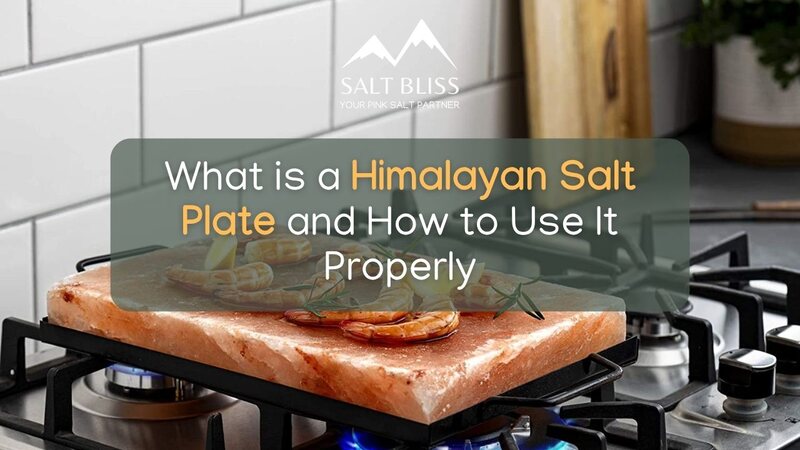

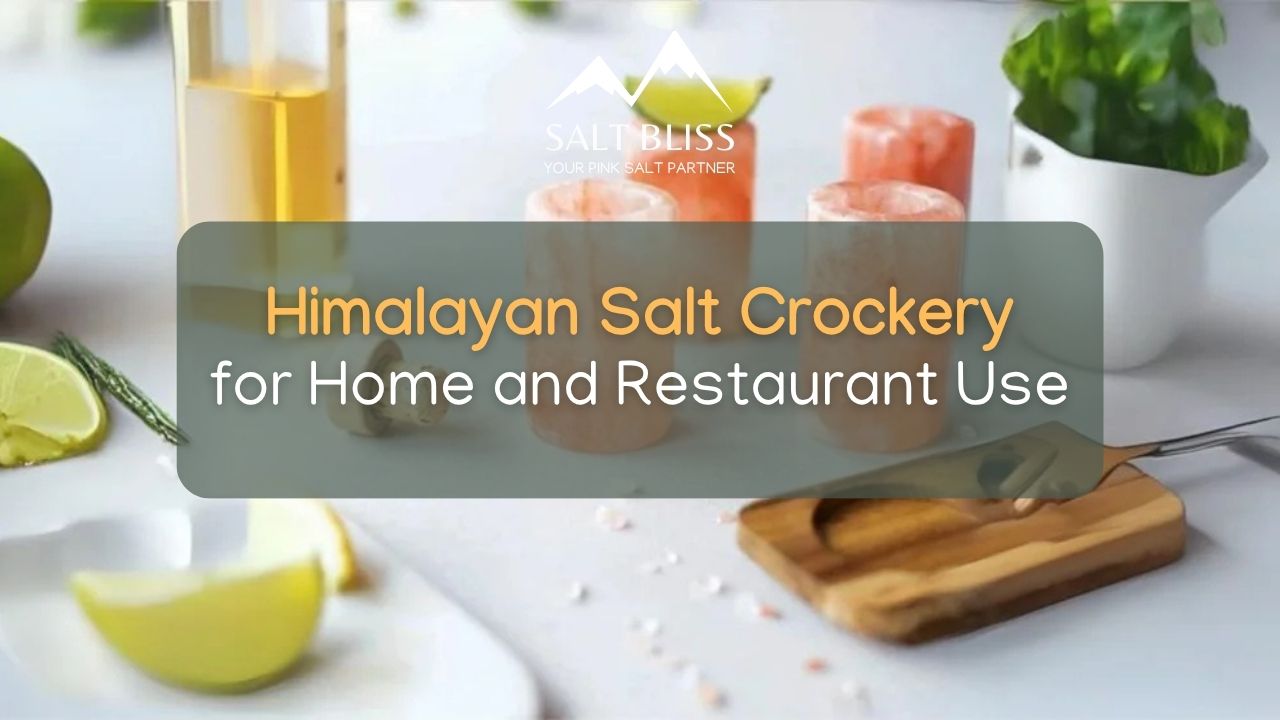
Most people choose crockery based on design or price, but later realize it doesn’t perform well in real use. Plates may look good, yet they don’t retain heat well or enhance the way food is served.
Himalayan salt crockery differs from regular crockery. It is not only used for serving but also interacts naturally with food.
This guide is for:
- Home users trying something different
- Restaurant owners looking for presentation ideas
- First-time buyers who are unsure what to expect
By the end, you will clearly understand how it works, where it fits, and whether it makes sense for your use.
What is Himalayan Salt Crockery
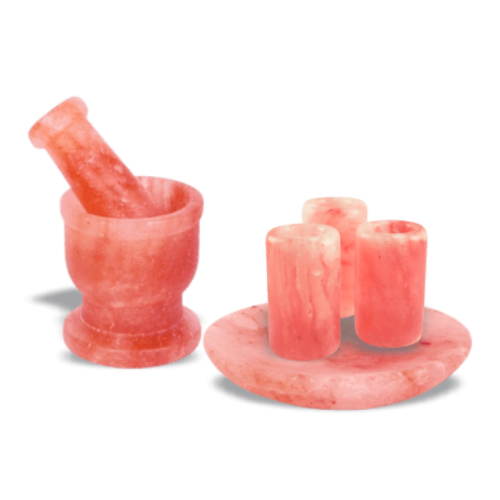
Himalayan salt crockery is made from natural pink salt blocks taken from salt mines. These blocks are cut and shaped into usable kitchen items.
Common types include:
- Serving plates
- Bowls
- Shot glasses
- Mortar and pestle
- Serving slabs
Each piece has its own texture and shade, usually ranging from light pink to a deeper orange tone.
Unlike ceramic or porcelain, this material is edible salt in solid form. As a result, it reacts slightly with food rather than acting as a neutral surface.
Where It Is Used
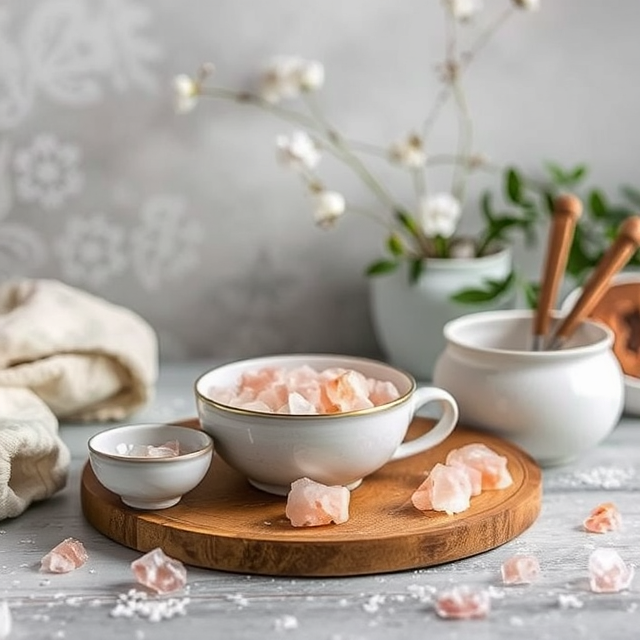
Himalayan salt crockery is not meant to replace all crockery. It is used in specific situations where it adds value.
Home Use
At home, people mostly use it for:
- Serving snacks during gatherings
- Presenting grilled items
- Cold desserts like fruit or chocolate
It is usually used occasionally rather than every day.
Restaurant Use
In restaurants, it is used to create a different style of serving.
Common uses:
- Steak or grilled meat serving
- Seafood presentation
- Cold starters
- Table-side serving
It works well in places where presentation matters as much as taste.
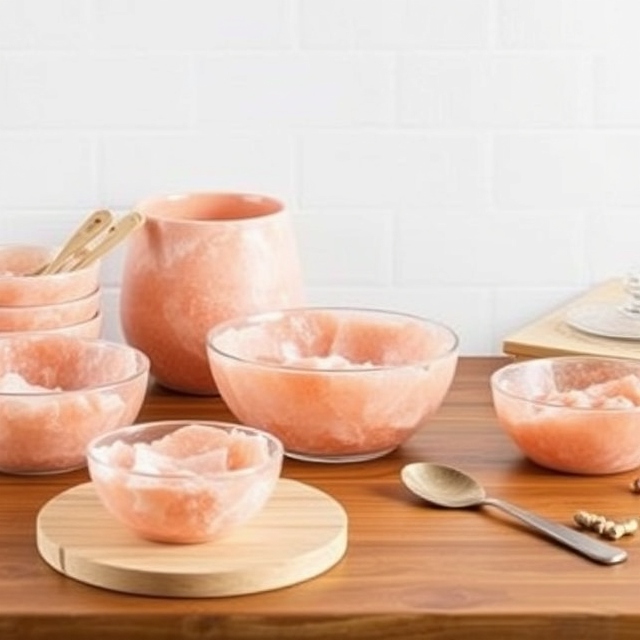
How It Works
Salt crockery behaves differently from regular plates.
Temperature Holding
It can retain heat or cold longer than standard plates.
- If heated, it stays warm for serving hot food
- If chilled, it keeps cold dishes cool
Light Flavor Transfer
When food is placed on the surface, a mild salty touch can be added.
This works better with:
- Meat
- Fish
- Vegetables
It does not make food overly salty if used correctly.
Comparison with Regular Crockery
| Feature | Salt Crockery | Regular Crockery |
| Material | Natural salt | Ceramic / porcelain |
| Flavor effect | Slight | None |
| Heat holding | Good | Average |
| Look | Natural texture | Uniform |
| Daily use | Limited | Suitable |
This shows that salt crockery is more situational rather than a full replacement.
What Many Sellers Don’t Mention
There are a few things buyers often find out later.
It Needs Care
- It should not be soaked in water
- Cleaning is done with a damp cloth
- Drying is necessary after use
It Changes Over Time
With use, the surface slowly wears down. This is normal because it is made from salt.
Not for Every Dish
It works better with:
- Dry or semi-dry food
Less suitable for:
- Soupy or very wet dishes
Knowing this helps in using it the right way.
Mistakes New Buyers Make
Many first-time buyers expect it to behave like normal crockery.
Common mistakes:
- Washing it under running water
- Using it daily for all meals
- Storing it in humid areas
- Leaving food on it for too long
Avoiding these points increases its usability.
How to Choose the Right Pieces
For Home
Go for:
- Small plates
- Bowls
- Decorative serving items
These are easier to handle and maintain.
For Restaurants and Bulk Buyers
Look for:
- Even thickness
- Smooth edges
- Consistent size across pieces
This is important for service consistency.
Quality Check
Before buying:
- Check for cracks
- Look at color consistency
- Make sure the shape is balanced
Care and Maintenance
To keep it usable for longer:
- Wipe with a damp cloth after use
- Dry it completely
- Store in a dry place
- Avoid dishwashers and soaking
These simple steps make a noticeable difference.
H2: Is It Worth Buying
For home users:
It works well if used occasionally for serving and presentation.
For restaurants:
It fits in menus where food presentation is part of the dining style.
It is not meant to replace all crockery, but it adds something different where needed.
About Salt Bliss Crockery
Salt Bliss offers a range of Himalayan salt crockery items designed for both home and commercial use.
Their collection includes:
- Serving plates
- Bowls
- Shot glasses
- Mortar and pestle
These items are made from natural salt blocks and are suitable for people who want to try salt-based serving options without confusion about size or use.
Conclusion
Himalayan salt crockery is different from regular kitchenware. It is used in specific situations where both presentation and function matter.
For home use, it fits well for occasional serving.
For restaurants, it works where serving style plays a role in customer experience.
Understanding its use and care makes it easier to decide whether it fits your needs.
If you are planning to try Himalayan salt crockery for home or restaurant use, you can explore the available options at Salt Bliss and select pieces based on your serving style and requirements.
FAQs
Yes, it is made from edible salt and can be used for serving food.
Not all items are suitable for direct heat. Only specific slabs are used for cooking.
It lasts for multiple uses if handled properly, but gradual wear is natural.
No, it only adds a light touch. Keeping food for too long can make it saltier.
It is better for occasional use rather than daily meals.
Keep it in a dry place away from moisture.
Yes, especially for dishes where presentation is part of the serving style.