

Many spa owners think a salt room is just about adding salt bricks to the walls. That idea often leads to poor results and wasted investment.
A proper salt room requires planning, correct materials, and the right setup. Without these, the space may look attractive but will not function as intended.
This blog is written for:
- Spa owners planning to add a salt room
- Investors entering the wellness space
- Businesses upgrading their existing spa setup
If you are considering this addition, it is better to understand the full process before starting.
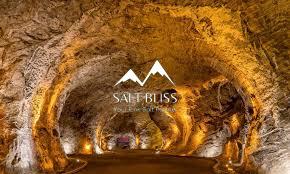
What Is Himalayan Salt Room Construction?
Salt room construction is the process of creating a controlled indoor space where fine salt particles are released into the air.
This setup is used in halotherapy, where clients sit in a dry room and inhale salt-infused air.
A working salt room usually includes:
- Salt-covered walls or panels
- A halogen generator machine
- Controlled airflow
- Low humidity conditions
Without these elements working together, the room will not function properly.
Why Spa Businesses Add Salt Rooms
Salt rooms are being added to spas because they offer something different from regular services.
They are not based on heat like saunas or steam rooms. Instead, they focus on a calm indoor environment with dry air and salt particles.
From a business point of view, they:
- Attract a different type of customer
- Allow new service pricing
- Extend the time clients spend inside the spa
For many spa businesses, this becomes a separate service category rather than just an add-on.
Process of Building a Salt Room
1. Planning the Space
The first step is selecting the right location inside the spa.
Things to consider:
- Keep the room away from wet areas
- Maintain a dry environment
- Choose a size based on expected capacity
A typical spa salt room ranges from 100 to 300 square feet.
2. Preparing the Structure
The room must be prepared before installing salt materials.
This includes:
- Moisture-resistant walls
- Basic insulation
- Electrical points for equipment
The structure should support long-term use without damage from humidity.
3. Installing Salt Materials
Salt is used as bricks, tiles, or panels.
Common options:
- Solid Himalayan salt bricks
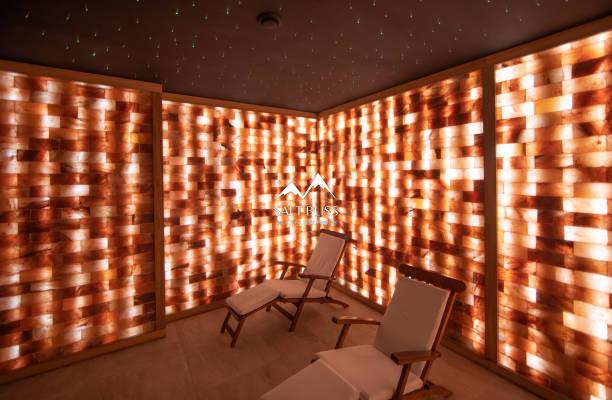
- Backlit salt walls
- Loose salt flooring
The choice depends on design preference and budget.
4. Halogenerator Setup
The halogen generator is the most important part of the room.
It:
- Breaks salt into very fine particles
- Releases them into the air
- Controls the amount of salt during sessions
Without this machine, the room does not function as a therapy space.
5. Airflow and Ventilation
Air movement inside the room must be controlled.
This ensures:
- Even distribution of salt particles
- Clean air circulation
- Consistent environment for clients
Poor airflow can reduce effectiveness and affect comfort.
6. Final Setup
After installation, the room is prepared for use.
This includes:
- Seating arrangement
- Lighting setup
- Testing the system
At this stage, trial sessions are usually conducted before opening to clients.
Cost of Himalayan Salt Room Construction
The cost depends on size, materials, and equipment.
| Room Type | Estimated Cost |
| Small room | $8,000 – $15,000 |
| Medium spa room | $15,000 – $30,000 |
| Large custom room | $30,000+ |
Factors that affect cost:
- Type of halogen generator
- Salt quality and quantity
- Design details
- Installation method
Trying to reduce costs by using low-grade materials often leads to higher maintenance later.
What Is Often Missed During Planning
Many spa owners focus only on the visual side of the room.
In practice, several technical points are ignored:
- Salt walls alone do not create halotherapy
- Moisture control is necessary to protect the salt
- Airflow design affects how the room performs
These details are usually the difference between a working setup and a decorative space.
Common Mistakes New Buyers Make
Some issues recur in salt room projects.
- Treating the room as interior design instead of a system
- Installing salt without a halogen generator
- Placing the room near steam or wet zones
- Ignoring airflow planning
- Hiring contractors without relevant experience
Avoiding these mistakes can save both time and cost.
Salt Room vs Other Spa Features
Salt rooms are different from other spa areas.
| Feature | Salt Room | Sauna / Steam |
| Temperature | Normal | High |
| Air Type | Dry | Humid |
| Maintenance | Moderate | Higher |
| Use Case | Calm environment | Heat-based relaxation |
They are not replacements but separate offerings within a spa.
Practical Points Before Starting
Before beginning construction, it is useful to keep a few points in mind.
- Plan the room layout early
- Keep the environment dry
- Select materials that last longer
- Choose equipment carefully
- Think about long-term usage, not just installation
A well-planned setup reduces future adjustments.
Role of a Specialized Builder
Salt room construction is not the same as general interior work.
It involves:
- Equipment integration
- Environmental control
- Specific material handling
This is why many spa owners work with companies that understand both spa construction and salt therapy setups.
Salt Bliss works with spa businesses that want to add salt rooms to their service offerings, focusing on both structure and functionality.
Is It Worth Adding a Salt Room?
For spa businesses looking to expand their services, salt rooms can become a steady part of operations.
They:
- Add a new category of service
- Attract clients looking for non-heat options
- Fit well within wellness-focused spaces
The outcome depends on how the room is built and managed over time.
If you are planning to add a salt room to your spa, it is better to start with the right structure and setup.
Salt Bliss works with spa businesses on salt room construction, from planning to installation.
You can reach out to discuss your space, requirements, and budget before starting your project.
FAQs
It usually takes between 2 and 6 weeks, depending on size and setup.
Yes. Without it, the room will not function as a salt therapy space.
Yes, if there is enough space and proper conditions for airflow and dryness.
Himalayan salt is commonly used due to its structure and visual appeal.
It depends on size. A standard room can accommodate 4 to 10 people.
Yes, basic cleaning and humidity control are required.