
Salt massage stones are now common in many spas, yet their proper use remains unclear. Some therapists use them as traditional hot stones, while others hesitate due to concerns about heating, breakage, or storage.
This guide is for spa therapists, spa managers, and wellness professionals seeking a clear understanding of how salt massage stones behave in real-world treatments. It focuses on technique, preparation, care, and practical observations rather than sales or trends.
If you are considering adding salt stone massage to your treatment menu—or refining how it is currently performed—this article outlines what matters most in day-to-day spa use.
Why Spas Use Salt Massage Stones
Salt massage stones offer a different working feel compared to basalt stones. Their surface provides a gentle grip, which many therapists find useful for slow, controlled massage movements.
From a treatment perspective, salt stones are commonly used in sessions focused on relaxation and grounding. Clients often associate salt with warmth and calm, which fits naturally into spa environments without the need for complex explanations.
Spas usually include salt stones in:
- Relaxation-focused body massages
- Back and shoulder treatments
- Foot or lower-leg sessions
They are often positioned as a specialty option rather than a replacement for standard hot stone massage.
What Salt Massage Stones Are Made From
Natural Salt Structure
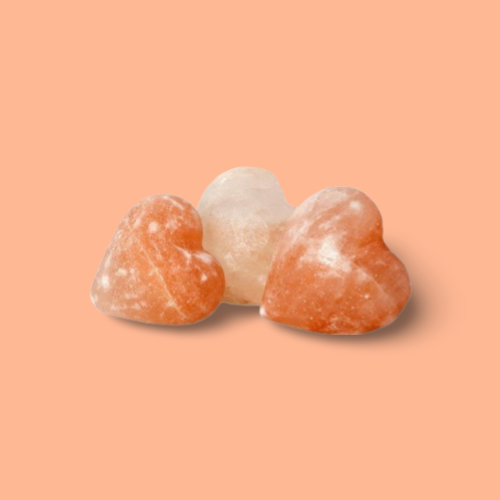
Salt massage stones are carved from solid mineral salt deposits. These deposits are naturally compressed, allowing stones to hold their shape when handled correctly.
For massage use, stones should be:
- Even in density
- Smooth on all skin-contact areas
- Free from cracks and weak edges
Stones prepared specifically for massage tend to perform better than decorative salt blocks, which are often too soft or uneven for repeated handling.
Preparing Salt Massage Stones Before a Session
Heating Methods Used in Spa Practice
Salt stones respond best to slow, gentle heating. Most therapists rely on equipment already present in spas.
Common methods include:
- Towel warmers
- Dry stone heaters with controlled temperature
Heating methods that cause problems:
- Microwaves
- Boiling water
- Direct metal heating plates
These methods weaken the stone surface and reduce usable life.
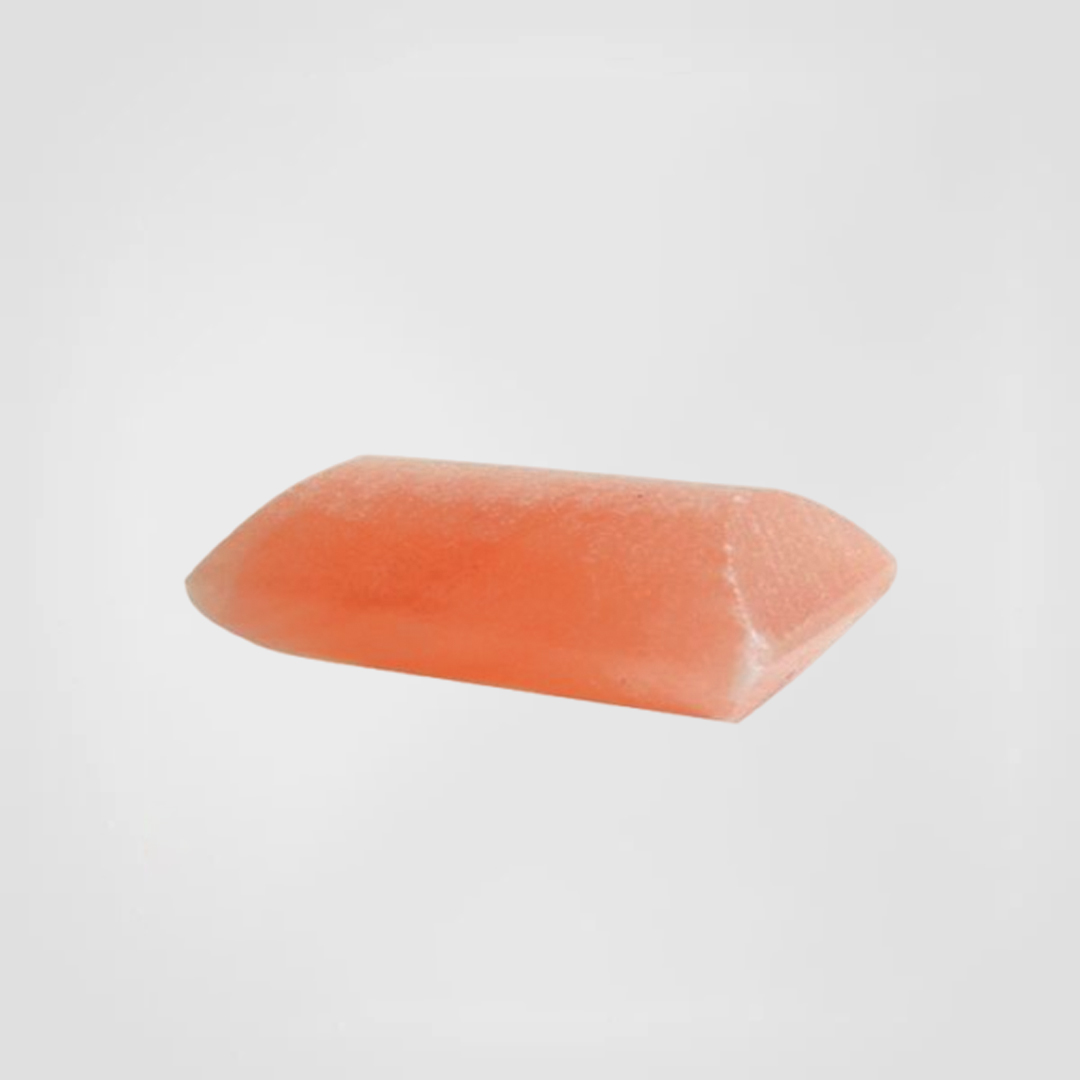
Checking Temperature
Before applying a stone to the client, therapists usually test it on their own forearm. The stone should feel comfortably warm, not sharp or intense.
Salt stones release warmth gradually, which suits slower massage styles.
Preparing the Client’s Skin
Salt stones can be used on dry skin or with a light layer of oil. In most spa settings, oil is applied sparingly to support smooth movement without losing control.
Basic preparation includes:
- Cleaning and drying the stone surface
- Applying a small amount of oil
- Beginning with lighter pressure
This allows both therapist and client to adjust to the texture and temperature.
Massage Techniques Commonly Used by Therapists
Long Gliding Strokes
Therapists often use long strokes along the back, arms, and legs. The natural grip helps maintain steady pressure without slipping.
Circular Movements
Circular movements are everyday around the shoulders and lower back, where muscle tension builds gradually.
Static Placement
Some treatments include placing stones on the back or palms for short periods to introduce warmth without movement.
Salt stones should not be used on broken skin, irritated areas, or clients with known salt sensitivity.
Salt Massage Stones Compared to Basalt Stones
| Aspect | Salt Stones | Basalt Stones |
| Heat feel | Moderate and steady | Strong and long-lasting |
| Surface | Natural grip | Fully smooth |
| Care | Dry handling | Water-based cleaning |
| Treatment role | Specialty sessions | Standard hot stone massage |
Many spas use both tools, depending on treatment design and client preference.
Common Issues Therapists Encounter
Therapists new to salt stones often face challenges during early use.
These usually include:
- Stones heating unevenly
- Surface wear over time.
- Storage problems in humid rooms
- Confusion between décor blocks and massage stones
Spas that plan storage and replacement early tend to avoid these issues.
Cleaning, Storage, and Daily Care
Salt stones must be handled dry at all times.
After each session:
- Wipe with a lightly damp cloth
- Dry immediately with a towel.
- Store in a low-humidity area
Stones should never be soaked. Some spas rotate stone sets or assign them to individual therapists to maintain hygiene standards.
Myths and Practical Reality
Myth: Salt stones remove toxins instantly
Massage supports relaxation and circulation. The body handles detoxification.
Myth: Higher heat works better
Mild warmth is safer and more comfortable for clients.
Myth: All salt stones behave the same
Density and finishing affect how stones feel and how long they last.
What Is Often Missing From Online Articles
Many guides focus on benefits but overlook practical factors such as
- How do stones age over time
- How humidity affects storage
- How therapists adjust techniques
- Why stone size consistency matters
Spas that treat salt stones as working tools rather than display items usually see smoother treatment flow.
A Note on Stone Preparation
Some spa-focused manufacturers prepare salt stones specifically for massage use rather than décor. In practice, therapists notice that stones cut and finished for handling feel more consistent during treatments.
(Brands such as Salt Bliss are often mentioned in spa circles for this reason.)
Final Thoughts
Salt massage stones are neither decorative objects nor short-term wellness trends. When handled correctly, they become a practical part of spa treatments. Technique, preparation, and care shape the experience more than any claim or label.
For therapists and spa teams, understanding how salt stones behave during real sessions leads to better treatment planning and smoother daily use.
FAQs
Ans: Yes, when warmed gently and stored correctly.
Ans: Lifespan depends on frequency of use and humidity exposure.
Ans: Yes, though most therapists prefer a small amount of oil.
Ans: Clients with skin sensitivity or open wounds should be screened.
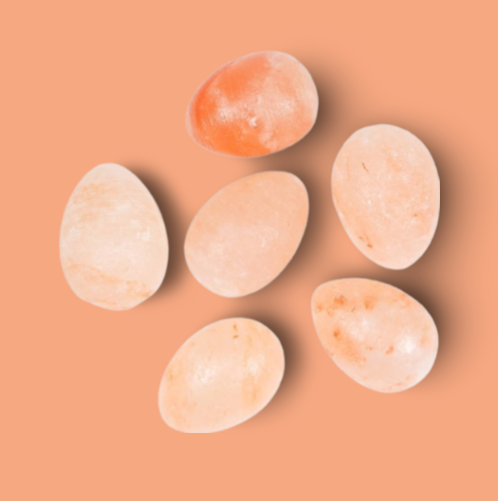
Ans: Palm-sized stones offer better control during massage.
Ans: They are often paired with relaxation-focused sessions.