
Himalayan salt is widely recognized for its natural origin and distinctive crystal colors. Many people associate it only with the familiar pink shade used in kitchens, yet Himalayan rock salt actually appears in several natural variations. Among the most common are pink, dark pink, and white Himalayan salt.
For new buyers, distributors, retailers, and food businesses, understanding these natural variations is important before sourcing salt for commercial or culinary use. Each type of salt has slightly different visual characteristics, mineral traces, and common applications.
This article explains the types of Himalayan salt, why the colors differ, and how buyers typically select the right grade. The information is useful for both general consumers and B2B buyers, such as wholesalers, distributors, and retailers, who want clarity before purchasing.
The brand Salt Bliss works with Himalayan salt sourced from Pakistan’s salt mining region, and knowledge of these natural variations helps buyers understand the material before it reaches the market.
What Is Himalayan Salt?
Himalayan salt is a natural rock salt that formed millions of years ago when ancient sea beds dried and crystallized under layers of rock. These deposits later became part of the Himalayan mountain range.
Most Himalayan salt used in food and commercial products comes from the Khewra Salt Mine in Punjab, Pakistan. The mine is considered one of the world’s largest salt reserves.
Unlike highly processed table salt, Himalayan salt is mined in crystal form and usually goes through minimal processing. The crystals are washed, sorted, and crushed into various grain sizes depending on the final use.
The natural mineral traces inside the crystals create the distinct colors that Himalayan salt is known for.
Why Himalayan Salt Appears in Different Colors
The color of Himalayan salt crystals depends on small amounts of natural minerals present during formation. These minerals mix with the salt’s sodium chloride structure, producing subtle variations in shade.
Common natural influences include:
- Iron compounds that create pink or reddish tones
- Mineral deposits that deepen the pink shade
- Areas with fewer pigments that produce nearly white crystals
These variations occur naturally inside the salt layers of the mine. When the salt is extracted and sorted, the crystals are grouped by color and quality.
The result is the three widely recognized categories: Light pink salt, dark pink salt, and white salt.
Main Types of Himalayan Salt
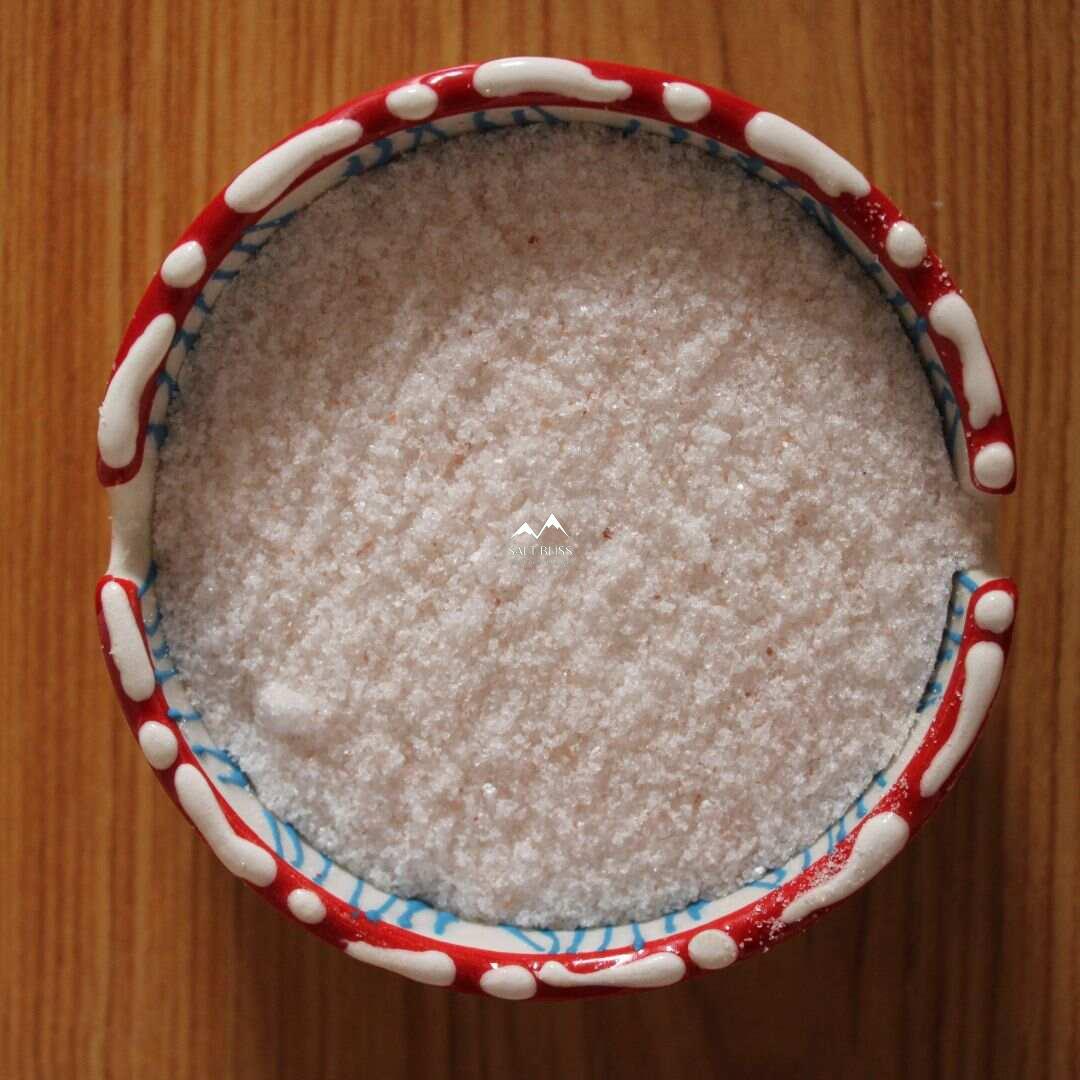
Pink Himalayan Salt
Pink Himalayan salt is the most recognizable variety and the one most commonly sold in grocery stores and food brands.
The color usually ranges from light pink to soft orange tones. This shade appears due to small traces of minerals within the salt crystal.
Pink salt is widely used in cooking and food products. Many restaurants and home kitchens prefer it because of its natural appearance and mild flavor.
Typical uses include:
- Cooking and seasoning
- Salt grinders
- Gourmet food products
- Retail salt packaging
- Restaurant kitchens
Pink salt is also available in multiple forms, such as fine powder, coarse grains, and larger crystals. The choice depends on how the salt will be used.
Many food brands choose this type because the color is attractive and familiar to consumers.
Dark Pink Himalayan Salt
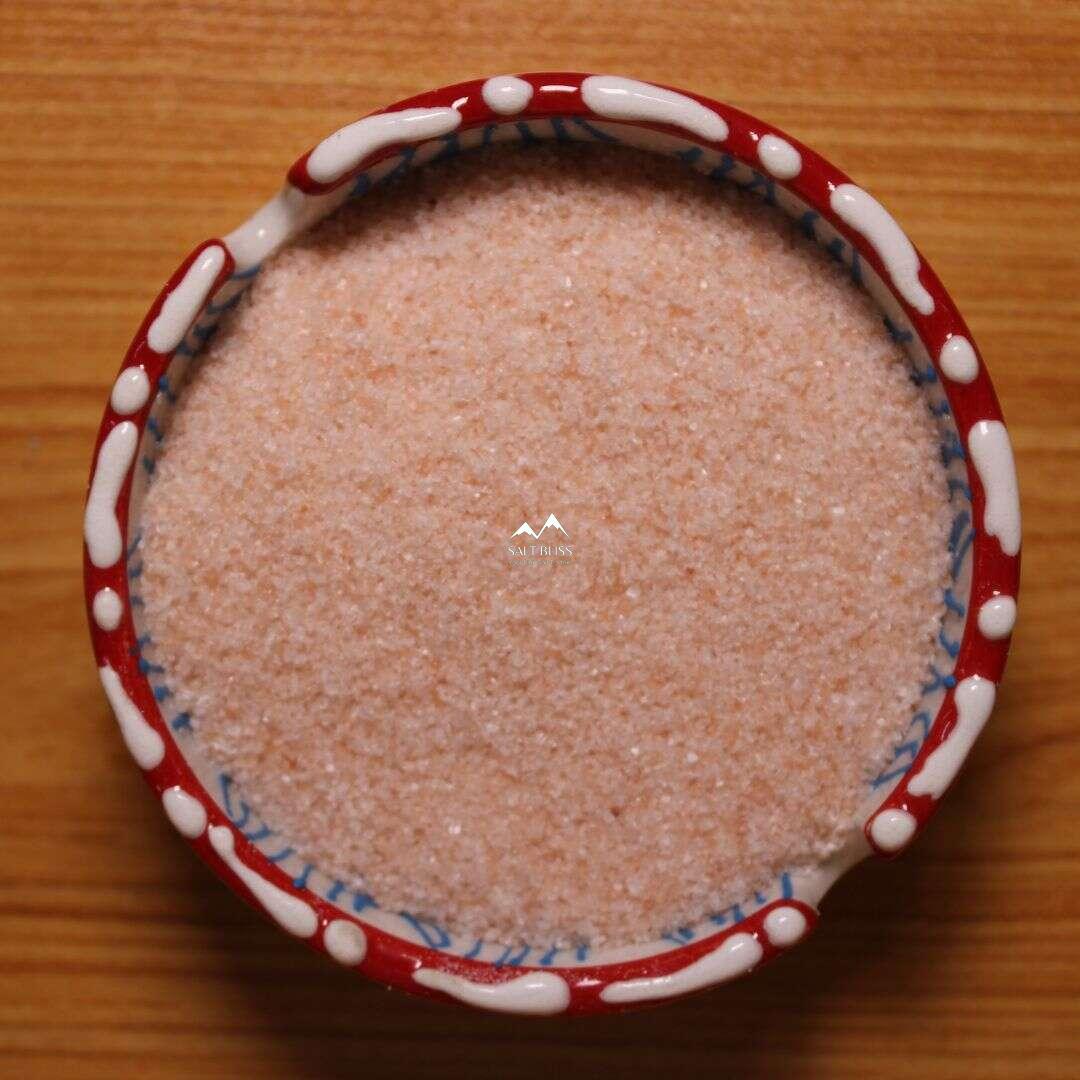
Dark pink Himalayan salt has a deeper color compared with regular pink salt. The shade can appear dark pink, reddish, or slightly orange.
This variation happens when salt crystals contain slightly higher concentrations of mineral pigments. The crystals may also appear more textured due to the mineral distribution within the salt.
Dark pink salt is often selected for products where visual presentation matters.
Common uses include:
- Gourmet salt packaging
- Premium food presentations
- Salt grinders
- Decorative culinary uses
In some markets, darker crystals are preferred because they stand out visually when placed in transparent packaging.
Buyers who want stronger visual contrast in their products sometimes choose this variation.
White Himalayan Salt
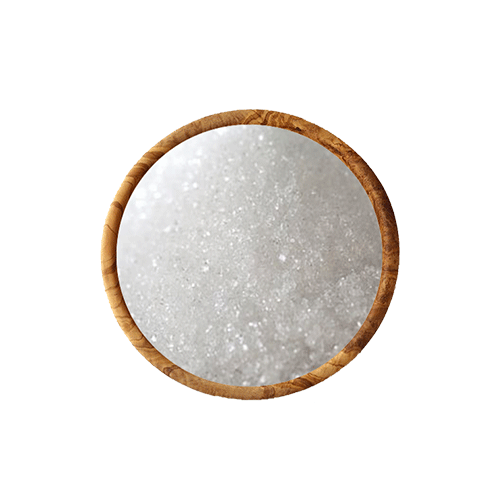
White Himalayan salt looks different from the pink varieties. The crystals appear nearly white or slightly transparent.
This type of salt forms in areas of the salt deposit where mineral pigments are minimal. As a result, the crystals do not develop the pink coloration.
White Himalayan salt is frequently used in commercial or industrial applications where color consistency is required.
Common uses include:
- Food processing
- Industrial salt production
- Pharmaceutical manufacturing
- Bulk commercial supply
Although it lacks the pink appearance, white Himalayan salt still comes from the same geological source.
Comparison of Himalayan Salt Types
| Feature | Pink Salt | Dark Pink Salt | White Salt |
| Color | Light pink | Deep pink or reddish | White or transparent |
| Mineral pigments | Moderate | Higher visible pigments | Very low |
| Appearance | Soft pink tone | Stronger color | Neutral color |
| Common uses | Cooking and retail salt | Gourmet presentation | Industrial and commercial use |
| Market familiarity | Very common | Growing demand | Moderate demand |
This comparison helps buyers understand the visual and practical differences among the main salt categories.
What Many Articles Do Not Mention About Himalayan Salt Colors
Many online articles suggest that darker Himalayan salt is always nutritionally superior. In reality, the difference in mineral levels between these color categories is usually small.
Himalayan salt is primarily composed of sodium chloride, regardless of color. Mineral traces contribute mainly to the visual appearance rather than dramatically changing the nutritional profile.
For many buyers, the more relevant factors are:
- Visual presentation in packaging
- Market demand in specific regions
- Grain size requirements
- Intended application
Understanding these factors helps buyers make better purchasing decisions rather than relying solely on color.
Common Mistakes New Buyers Make
New buyers entering the Himalayan salt market sometimes misunderstand how the product is graded.
Some typical mistakes include:
- Assuming darker salt always indicates better quality
- Ignoring the grain size requirements for their product
- Choosing suppliers without verifying origin
- Overlooking packaging needs for their market
These issues can affect product consistency and customer expectations.
Companies such as Salt Bliss, which work directly with Himalayan salt sources, emphasize proper sorting and grading to ensure buyers receive the right material for their needs.
Factors Buyers Consider When Selecting Himalayan Salt
Businesses that purchase Himalayan salt usually evaluate several factors before placing an order.
These considerations include:
- Intended use of the salt
- Grain size required for production
- Packaging format
- Target market preferences
For example:
- Restaurants often prefer pink crystals for grinders
- Food brands may select darker crystals for visual appeal.
- Industrial buyers may prefer white salt for its neutral appearance.
Matching the salt type to the application helps maintain consistency in the final product.
Grain Sizes Available for Himalayan Salt
Himalayan salt is processed into different particle sizes depending on how it will be used.
Common sizes include:
- Fine salt for table seasoning
- Medium grain for cooking
- Coarse crystals for grinders
- Large chunks for decorative or culinary slabs
Grain size plays a major role in determining how the salt behaves during cooking or food preparation.
Himalayan Salt in Global Trade
Himalayan salt from Pakistan is exported to many countries across Europe, Asia, and North America. The salt industry has grown significantly due to demand for natural ingredients in food products.
Several factors contribute to its popularity:
- Natural origin
- Distinctive crystal colors
- Versatility in food applications
Companies like Salt Bliss work with these salt resources and distribute different salt grades according to buyer requirements.
Conclusion
Himalayan salt occurs in several natural color variations, with pink, dark pink, and white salt being the most common. These variations arise from mineral traces present in salt deposits formed millions of years ago.
While the visual differences are noticeable, the core composition of Himalayan salt remains largely the same. Buyers generally select the type that suits their product’s appearance, market demand, and intended use.
Brands such as Salt Bliss source Himalayan salt from Pakistan and sort the crystals into categories so buyers can select the appropriate grade for their needs.
Understanding these types helps both individual consumers and commercial buyers make informed decisions when sourcing Himalayan salt.
FAQs
The most common types are pink, dark pink, and white Himalayan salt. These types differ mainly in color and the visibility of mineral pigments.
Dark pink salt has a deeper coloration due to higher levels of mineral pigments, while regular pink salt has a lighter shade. Their basic composition remains similar.
Authentic Himalayan salt is mined from the Khewra Salt Mine in Pakistan, which contains large natural salt deposits.
White Himalayan salt forms in areas where mineral pigments are minimal, resulting in nearly colorless crystals.
Pink Himalayan salt is the most commonly used type in cooking and seasoning.
Taste differences between pink and dark pink salt are usually minimal. Color differences mainly affect appearance rather than flavor.